




Blog

Maximize Your Chevrolet Tahoe Cargo Space: Storage Accessories for Every Adventure

Whether you're heading out on a family road trip, loading up for a weekend getaway, or running errands around Olathe, the Chevrolet Tahoe offers plenty of room for passengers and cargo. With the right storage accessories, you can make that space even more useful while keeping your belongings organized and your interior protected.

At McCarthy Chevrolet Olathe, we help drivers throughout Olathe and the Kansas City area discover genuine Chevrolet accessories that make their vehicles work better for their everyday lives. From cargo organizers to roof-mounted storage boxes, here are some of the best ways to customize your Chevy Tahoe.

1. Chevrolet Cargo Nets: Keep Your Belongings Secure

Grocery bags tipping over, sports equipment sliding around, and smaller items rolling across the cargo area can make an otherwise organized SUV feel cluttered. A cargo net can help keep belongings in place while you're driving.
Chevrolet offers cargo net options designed to help secure items in your Tahoe's cargo area. Depending on the style, a net can help contain smaller belongings and make loading and unloading more convenient.
Explore the official Chevrolet Tahoe accessories catalog to find available cargo nets and check compatibility with your vehicle.
Best for: Grocery runs, shopping bags, sports equipment, and everyday essentials.

2. Cargo Bins and Mats: Protect Your Interior

From muddy shoes to spilled drinks and outdoor gear, your Tahoe's cargo area can take a lot of wear and tear. Cargo mats, liners, and storage bins can help protect the flooring while making cleanup easier.
Consider these options:
  • All-weather cargo liners: Help protect the cargo floor from dirt, spills, and everyday messes.
  • Integrated cargo bins: Provide a designated space for smaller belongings and can fold flat when not in use, depending on the design.
  • Cargo-area protection packages: Can offer additional coverage for the cargo floor and rear seatbacks, depending on the package.
Browse Chevrolet's cargo floor protection accessories to explore available options for your Tahoe.
Best for: Families, pet owners, camping trips, and anyone who wants to keep their cargo area clean.

3. Retractable Cargo Shades: Add Privacy to Your Storage Area

Sometimes, you want to keep luggage, shopping bags, or other belongings covered when you leave your Tahoe parked.
A retractable cargo shade helps conceal items stored in the rear cargo area and can provide protection from direct sunlight. It's a convenient addition for shopping trips, travel days, and everyday driving.
Explore the Chevrolet Tahoe accessories catalog to check for compatible cargo shades.
Best for: Travel bags, shopping trips, and keeping belongings out of view.

4. Roof-Mounted Cargo Boxes: Make More Room for Road Trips

Even with the Tahoe's spacious interior, a full vehicle can run out of room when everyone brings luggage. A roof-mounted cargo box provides additional storage while leaving more room inside for passengers.
Chevrolet's accessories catalog includes cargo boxes from Thule® in several sizes:
These cargo boxes are designed to mount to compatible roof rack cross rails. Confirm the correct fit, vehicle roof-load limits, and installation requirements before purchasing.
Best for: Family vacations, camping trips, luggage, and longer road trips.

5. Roof Rack Cross Rails: Carry More Outdoor Gear

If your family enjoys outdoor adventures, roof rack cross rails can help you get more use out of your Tahoe.
Compatible cross rails provide a mounting base for select roof-mounted accessories, including cargo boxes and certain carriers for recreational equipment. Depending on the setup, you can explore solutions for transporting bicycles, kayaks, skis, and other gear.
Check out the official Chevrolet Tahoe roof rack and cargo accessories to explore compatible options.
Before carrying equipment, review the vehicle's roof-load limits and the accessory manufacturer's installation instructions.
Best for: Outdoor enthusiasts, camping, skiing, and recreational equipment.

6. Interior Cargo Organizers: Give Everything a Place

Sometimes, the best storage upgrade is simply finding a better way to organize what you already carry.
Cargo organizers and bins can help separate emergency supplies, cleaning products, travel essentials, and smaller belongings. Instead of letting everything move around in the back, you can create a designated spot for the items you use most.
Explore Chevrolet's interior cargo management accessories for available cargo bins, nets, and other storage solutions.
Think about what you carry regularly and how much space you need for larger items before choosing an organizer.
Best for: Busy families, daily commuters, and drivers who want a tidier cargo area.

Which Tahoe Storage Accessories Fit Your Lifestyle?

The best accessories depend on how you use your Chevrolet Tahoe. Here's a quick guide to help you decide where to start.
Your storage needsAccessories to consider
Keep groceries and small items organizedCargo nets and bins
Protect against dirt and spillsCargo mats and liners
Cover belongings behind the rear seatsRetractable cargo shade
Pack extra luggage for a family vacationRoof-mounted cargo box
Transport outdoor equipmentRoof rack cross rails and compatible carriers
Keep everyday essentials organizedInterior cargo organizers
Keep in mind that available cargo space changes depending on the position of the second- and third-row seats. Consider your usual passenger count and cargo needs when selecting accessories.

Shop Chevrolet Tahoe Accessories at McCarthy Chevrolet Olathe

Ready to make your Tahoe work even harder for you? McCarthy Chevrolet Olathe can help you find genuine Chevrolet parts and accessories that fit your vehicle and lifestyle.
Our parts department can help confirm compatibility, check availability, and discuss installation options.
Start exploring online:
You can also contact our parts department at 913-324-7200 or visit us at 675 N. Rawhide Drive, Olathe, KS 66061.
Whether you're organizing your everyday essentials or preparing for your next family adventure, the right Chevrolet Tahoe storage accessories can help you make more of every drive. We cant wait to hear from you!
Accessory compatibility varies by model year, trim, and vehicle configuration. Some accessories require additional equipment or professional installation. Confirm fitment, pricing, and availability with McCarthy Chevrolet Olathe before ordering.

Recommended Posts

fall

Best Places to See Fall Colors Around Olathe, Kansas, in Your Chevrolet

Take a Fall Drive: Where to See Beautiful Autumn Colors Around Olathe Fall in the Kansas City area brings cooler temperatures, cozy weekends, and beautiful shades of red, orange, and gold across the landscape. It's the perfect time to get behind the wheel of your Chevrolet and explore the scenic parks, wooded trails, and peaceful lakes around Olathe and the surrounding metro. Whether you're taking your Chevy Equinox on a weekend adventure, loading up your Chevrolet Traverse for a family outing, or cruising in your Silverado, these destinations offer great ways to enjoy the changing seasons. Here are seven places to add to your fall bucket list! 1. Lake Olathe Park – Olathe, Kansas Best for: Lakeside views and a relaxing fall afternoon You don't have to travel far from home to enjoy autumn scenery. Lake Olathe Park offers beautiful water views, outdoor recreation, and trails where you can stretch your legs and enjoy the crisp fall air. Bring the family, pack a few snacks, and take a relaxing walk while enjoying the seasonal colors around the park. It's an easy choice for a quick fall outing without spending the whole day on the road. Location: 625 S. Lakeshore Drive, Olathe, KS Plan your visit: City of Olathe Parks and Recreation 2. Heritage Park – Olathe, Kansas Best for: Wooded scenery, lake views, and outdoor adventures Heritage Park is a great destination for anyone looking to enjoy nature close to Olathe. With a large lake, walking opportunities, and plenty of open space, it's a relaxing place to appreciate the changing season. Take a stroll, enjoy the views, and bring your camera to capture the fall landscape. If you're looking for an easy outdoor activity close to home, this park deserves a spot on your list. Location: 16050 Pflumm Road, Olathe, KS Plan your visit: Johnson County Park and Recreation District 3. Overland Park Arboretum & Botanical Gardens – Overland Park, Kansas Best for: Colorful foliage, garden paths, and nature photography If you want to see a variety of seasonal colors in one place, head to the Overland Park Arboretum & Botanical Gardens. Its gardens, wooded trails, and natural landscapes make it a beautiful destination when the leaves begin to change. Spend an afternoon exploring the grounds, taking photos, and enjoying the peaceful surroundings. Fall is also a great opportunity to discover different plants and trees as they transition into the cooler months. Location: 8909 W. 179th Street, Overland Park, KS Plan your visit: Overland Park Arboretum & Botanical Gardens 4. Kill Creek Park – Near Olathe, Kansas Best for: Wooded trails, open landscapes, and scenic lake views Looking for a little more room to explore? Kill Creek Park offers a peaceful setting with a lake, trails, and a mix of wooded and open landscapes. It's a great option for anyone who wants to spend more time outdoors and enjoy the natural beauty of Johnson County. Take a hike, enjoy the scenery, and make an afternoon of exploring the area. Remember to wear comfortable shoes and check trail conditions before you go. Location: 11670 S. Homestead Lane, Olathe, KS Plan your visit: Johnson County Park and Recreation District 5. Loose Park – Kansas City, Missouri Best for: Colorful trees, walking paths, and fall photos Loose Park is one of Kansas City's well-known green spaces, featuring mature trees, walking paths, and picturesque scenery. When autumn arrives, the park's landscape becomes a beautiful backdrop for a relaxing walk or seasonal photos. It's also a convenient stop if you'd like to pair your fall outing with lunch or shopping elsewhere in Kansas City. Location: 5200 Wornall Road, Kansas City, MO Plan your visit: Visit KC 6. Powell Gardens – Kingsville, Missouri Best for: Vibrant autumn foliage and a full-day outing For a memorable fall adventure, make the drive to Powell Gardens, Kansas City's botanical garden. The grounds feature landscaped gardens, wooded areas, and walking paths that showcase the beauty of the season. From colorful leaves to fall flowers and ornamental grasses, there are plenty of opportunities to enjoy the changing landscape. Check the official website for admission information, seasonal events, and current visiting hours before heading out. Location: 1609 NW U.S. Highway 50, Kingsville, MO Plan your visit: Powell Gardens 7. Weston Bend State Park – Weston, Missouri Best for: A scenic fall road trip and beautiful river overlooks If you're ready to venture a little farther from Olathe, Weston Bend State Park makes a worthwhile fall day trip. The park features wooded terrain, hiking trails, and scenic overlooks with views of the Missouri River valley. The combination of rolling landscapes and autumn foliage can make this a memorable destination for a weekend drive. Give yourself time to explore the trails and enjoy the scenery instead of rushing back home. Location: 16600 Highway 45 North, Weston, MO Plan your visit: Missouri State Parks When Is the Best Time to See Fall Colors Around Olathe? Fall foliage timing varies each year depending on temperatures, rainfall, and other weather conditions. Around Olathe and the greater Kansas City area, the best colors often appear in October and can continue into early November. For the best chance of catching the leaves at their peak: Check local foliage reports before planning your drive. Visit parks in the morning or late afternoon for beautiful natural light. Explore lakes, wooded trails, and scenic overlooks for different views. Keep your plans flexible because colors can change quickly with the weather. For updated Missouri foliage conditions, visit the Missouri Department of Conservation's fall color report. Get Your Chevrolet Ready for a Fall Road Trip A beautiful fall destination deserves a comfortable, dependable drive. Before heading out, check your tire pressure, windshield wipers, fluid levels, and exterior lights. If you're planning a longer trip, make sure your Chevrolet is up to date on routine maintenance. Whether you're driving a Chevrolet Trax, Equinox, Traverse, Colorado, or Silverado, a little preparation can help make your seasonal adventures more enjoyable. At McCarthy Chevrolet Olathe, we're here to help you explore your options and keep your Chevrolet ready for the road. Visit McCarthy Chevrolet Olathe to browse our inventory and learn more about our dealership. Your next fall adventure is waiting! Grab your keys, pick a destination, and enjoy the beautiful autumn colors around Olathe and Kansas City.

What Is the Correct Tire Pressure, and How Often Should You Check It?

Your tires play a major role in your vehicle’s safety, handling, fuel efficiency, and overall performance. But even if your tires look perfectly fine, they may not have the correct amount of air pressure. For drivers in Lee’s Summit, MO, checking tire pressure is a simple maintenance habit that can help prevent uneven tire wear, improve driving comfort, and prepare your vehicle for changing Missouri weather. At McCarthy Chevrolet Lee’s Summit, we’re answering common tire pressure questions, explaining how to check your PSI at home, and sharing when it may be time to have your tires inspected. What Is the Correct Tire Pressure for Your Vehicle? The correct tire pressure depends on your vehicle’s make, model, year, tire size, and loading requirements. Many passenger vehicles recommend pressures in the range of 30–35 PSI, but you should always use the specification for your particular vehicle. The easiest way to find your recommended tire pressure is to check the driver-side doorjamb label. You can also consult your owner’s manual. Your vehicle’s recommended pressure is usually listed in pounds per square inch (PSI). Where Can You Find Your Recommended PSI? Look in these places to find the correct tire pressure for your Chevrolet: Driver-side doorjamb: Look for the tire and loading information label. Owner’s manual: Check the tire and wheel section for recommended pressures and additional guidance. Tire Pressure Monitoring System: Your vehicle may display tire pressure information on the instrument panel or infotainment screen, depending on the model and equipment. Avoid using the maximum PSI printed on the tire sidewall as your target pressure. That number generally identifies the tire’s maximum permitted inflation pressure under specified conditions, not the vehicle manufacturer’s recommended setting for everyday driving. How Often Should You Check Your Tire Pressure? A good rule of thumb is to check your tire pressure at least once a month and before long road trips. You should also check it when there is a significant change in outdoor temperature or when your vehicle’s tire pressure monitoring system alerts you to a potential problem. In Lee’s Summit and the greater Kansas City area, temperatures can swing significantly between summer and winter. Because tire pressure changes with temperature, your tires may need attention as the seasons change. Here’s a simple schedule to follow: Once a month: Check all four tires, including the recommended pressure for each tire. Before a road trip: Verify tire pressure before carrying extra passengers or luggage. During seasonal changes: Recheck pressure when temperatures rise or drop substantially. When a warning light appears: Check the tires as soon as it is safe to do so. After noticing a problem: Investigate a tire that repeatedly loses pressure, looks unusually low, or has visible damage. Don’t rely on appearance alone. A tire can be underinflated without looking flat. How to Check Tire Pressure at Home Checking your tire pressure takes only a few minutes with a reliable tire pressure gauge. Step 1: Check Your Tires When They’re Cold For the most accurate reading, check tire pressure before driving or after the vehicle has been parked for several hours. Driving warms the tires and can increase the pressure reading. Don’t let air out of a warm tire simply because the reading is higher than the recommended cold pressure. Step 2: Find the Recommended PSI Read the tire information label on the driver-side doorjamb or consult your owner’s manual. Check the recommended pressure for the front and rear tires, since some vehicles specify different pressures. Step 3: Remove the Valve Stem Cap Unscrew the small cap from the tire’s valve stem and keep it somewhere safe. Step 4: Use a Tire Pressure Gauge Press the gauge firmly onto the valve stem until you get a reading. If you hear air escaping, reposition the gauge and try again. Compare the reading with your vehicle’s recommended cold tire pressure. Step 5: Add or Release Air as Needed If the pressure is too low, add air in small amounts and recheck the reading. If the pressure is too high and the tire is cold, release a small amount of air and measure again. Repeat this process until the tire reaches the recommended pressure. Step 6: Check All Four Tires Repeat the process for each tire, even if only one tire triggered a warning. Remember to replace the valve stem caps when you’re finished. Don’t forget the spare tire. If your vehicle has a spare, check its pressure according to the owner’s manual and the tire’s specifications. What Happens If Your Tire Pressure Is Too Low or Too High? Incorrect tire pressure can affect how your vehicle handles and how your tires wear over time. Driving With Underinflated Tires When a tire doesn’t have enough air, it can flex more than intended while driving. This may contribute to: Increased tire wear, particularly along the outer edges. Reduced fuel efficiency. Changes in steering response and handling. Excessive heat buildup, which can increase the risk of tire failure. Severely underinflated tires should not be driven on. If a tire looks flat or you suspect serious damage, stop in a safe place and arrange assistance. Driving With Overinflated Tires Overinflated tires can also create problems, including: Uneven wear, often concentrated near the center of the tread. A firmer ride. Reduced ability to absorb bumps. Changes in traction and handling. The goal isn’t to put as much air in your tires as possible. It’s to maintain the pressure recommended by your vehicle manufacturer. What Does the Tire Pressure Warning Light Mean? Many modern Chevrolet vehicles have a Tire Pressure Monitoring System (TPMS) that alerts drivers when one or more tires are significantly underinflated. If the warning light comes on, check your tire pressures as soon as you can safely stop. Use a gauge rather than assuming the system tells you the exact pressure. A TPMS warning doesn’t always identify the cause. A tire may have a puncture, a slow leak, or a pressure change caused by colder weather. If the warning light flashes before staying on, your vehicle may be indicating a TPMS malfunction. Check your owner’s manual for the correct interpretation and have the system inspected if necessary. Even when the warning light is off, continue checking tire pressure monthly. The system is not a substitute for regular maintenance. How Does Missouri Weather Affect Tire Pressure? Temperature changes are especially important for drivers in Lee’s Summit. As temperatures drop, tire pressure generally decreases. As temperatures rise, pressure generally increases. A commonly used estimate is about 1 PSI for every 10°F change in temperature, although the actual change can vary. For example, a tire inflated to the recommended pressure during a warm afternoon may read lower after a cold night. That doesn’t mean you should inflate your tires above the manufacturer’s recommendation in anticipation of colder weather. Instead, check them when cold and adjust them to the recommended pressure as conditions change. If a tire continues to lose pressure, have it inspected for a puncture, leaking valve, or other issue rather than assuming the weather is responsible. When Should You Have Your Tires Inspected? Regular pressure checks are important, but they’re only one part of tire maintenance. Consider scheduling an inspection if you notice: A tire that repeatedly loses air. Cracks, bulges, punctures, or other visible damage. Uneven tread wear. Vibrations or changes in handling. Frequent TPMS warnings. Tires approaching the replacement limits described in your owner’s manual or tire manufacturer’s guidance. A technician can check tire condition, identify potential leaks, and help determine whether your tires need repair, rotation, alignment, or replacement. For more tire safety information, visit the National Highway Traffic Safety Administration’s tire safety resources. Keep Your Chevrolet Ready for the Road at McCarthy Chevrolet Lee’s Summit Maintaining the correct tire pressure is one of the simplest ways to care for your vehicle. A quick monthly check can help you spot problems early, support even tire wear, and keep your Chevrolet ready for daily commutes, weekend errands, and longer trips around Missouri and Kansas. If you’re unsure about your vehicle’s recommended PSI or have noticed a tire pressure warning, the team at McCarthy Chevrolet Lee’s Summit can help you explore your maintenance options. Need a tire inspection or service? Visit the McCarthy Chevrolet Lee’s Summit website. Explore our service department. Stop by at 945 SE Oldham Parkway, Lee’s Summit, MO 64081. Check your tire pressure this month. It’s a small step that can make a meaningful difference in how your vehicle performs on the road.

Car Accident

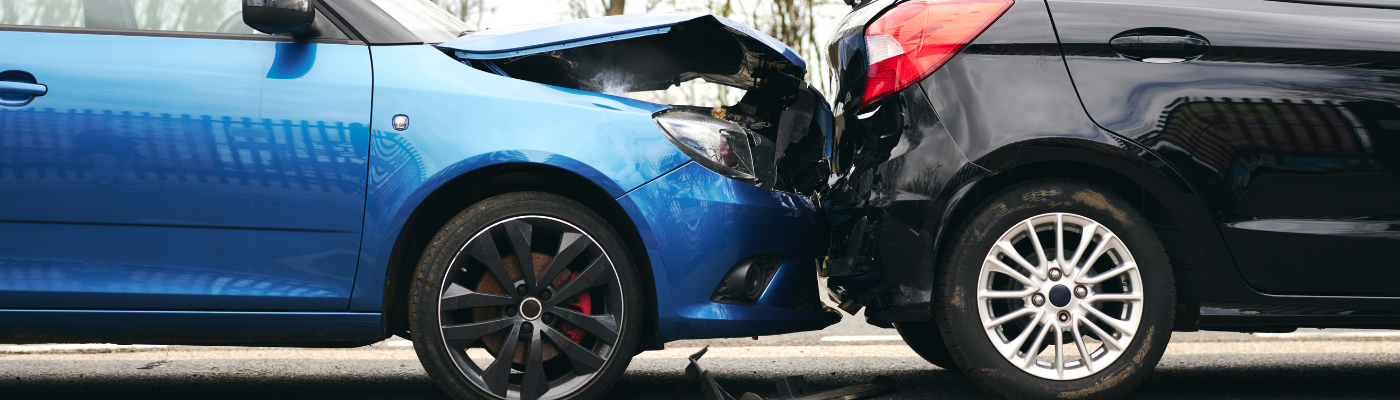
Can You See the Accident Report? Questions to Ask When Buying a Used Car in Olathe, KS

Shopping for a used car comes with plenty of questions, but one you should never be afraid to ask is: “Can I see the vehicle’s accident history?” Whether you're shopping for a pre-owned Chevrolet Silverado, Equinox, Traverse, or another vehicle, understanding its history can help you make a more informed decision. A vehicle may look great on the outside, but knowing more about its past can help you understand what you're buying before signing the paperwork. At McCarthy Chevrolet Olathe, we're breaking down what accident reports and vehicle history reports can tell you, what to ask a dealership, and how to protect yourself when shopping for your next used vehicle. Can You Ask to See an Accident Report When Buying a Used Car? Absolutely! Asking about a vehicle's accident history is a smart part of the used-car shopping process. However, it's important to understand the difference between an official police accident report and a vehicle history report. Police accident report: A record created by law enforcement following a reported crash. Availability and access depend on the circumstances and the agency's rules. Vehicle history report: A report that may include recorded accidents, title information, ownership history, odometer readings, and certain service or repair records. When shopping for a used vehicle, ask the dealership whether a vehicle history report is available and whether any known accident or damage history has been disclosed. Keep in mind that not every accident is reported to law enforcement or an insurance company. A vehicle history report may not include every collision, repair, or incident in a vehicle's past. Why Is an Accident History Important? An accident doesn't automatically mean a vehicle is a bad purchase. The extent of the damage, the quality of the repairs, and the vehicle's current condition all matter. Reviewing the available history can help you ask better questions and determine whether you want to investigate further. 1. Understand Previous Damage A vehicle history report may identify accidents or damage reported to participating data sources. This information can give you a starting point for asking what happened and whether repairs were completed. If an accident appears on the report, ask whether documentation of the repairs is available. 2. Learn About Title History Check whether the vehicle has a clean title or has ever been branded as salvage or rebuilt. Title information can be an important part of evaluating a used car. You can learn more about vehicle title and history information through the National Motor Vehicle Title Information System. 3. Ask About Previous Repairs If the vehicle has a recorded accident, ask whether repair invoices, maintenance records, or other documentation are available. Documentation can help you understand what work was performed after the incident. An independent inspection can also help identify concerns that may not be obvious during a test drive. 4. Make a More Informed Buying Decision The more you know about a vehicle, the better prepared you are to decide whether it meets your needs and expectations. Reviewing the available history alongside an inspection and a test drive can help you make a more confident decision. 5 Questions to Ask Before Buying a Used Car Not sure what to ask the salesperson? Start with these five questions. 1. Can I see the vehicle history report? Ask whether a report from a provider such as CARFAX or AutoCheck is available. Review any reported accidents, title issues, odometer discrepancies, or other information that may affect your decision. 2. Has the vehicle ever been in an accident? Ask about any known collision or damage history, including incidents that may not appear on a vehicle history report. 3. Are repair or maintenance records available? Documentation can help you understand what work has been performed and whether previous damage was addressed. 4. Can I have the vehicle independently inspected? An independent inspection by a qualified mechanic can help identify issues that a history report won't reveal. The Federal Trade Commission recommends getting an independent inspection before buying a used car. 5. Are there any open safety recalls? Use the vehicle identification number (VIN) to check for unrepaired safety recalls through the National Highway Traffic Safety Administration's recall lookup tool. Asking these questions doesn't have to make the buying process complicated. It simply helps you gather the information you need before making a decision. What If the Vehicle History Report Shows an Accident? Don't automatically rule out the vehicle. Instead, take time to understand the details. Here are a few steps to consider: Ask for an explanation: Find out what is known about the incident and whether additional documentation is available. Review repair records: Look for information about the work completed after the accident. Schedule an independent inspection: Have a qualified mechanic evaluate the vehicle for potential damage or repair concerns. Review the title: Check for any salvage, rebuilt, or other title branding. Consider your comfort level: Decide whether the available information, vehicle condition, and price meet your expectations. Remember, a clean vehicle history report is not a guarantee that a vehicle has never been damaged. Reports rely on available records, and some incidents may never be documented in the databases they use. For additional guidance, visit the FTC's used-car buying advice. Does Every Used Car Have an Accident Report? No. There isn't necessarily a separate police accident report for every used vehicle. A police report may not exist if a crash was never reported or if law enforcement did not create a report. Even when an official report exists, obtaining it may require specific information about the incident and may be subject to access restrictions. A vehicle history report is generally a more practical starting point for shoppers who want to learn about a vehicle's recorded past. However, it should be considered one part of the research process, not a complete guarantee of a vehicle's condition. Shop for Your Next Used Vehicle at McCarthy Chevrolet Olathe Buying a used vehicle should involve more than finding the right price and taking a test drive. Asking questions, reviewing available records, and understanding a vehicle's history can help you shop with greater confidence. At McCarthy Chevrolet Olathe, you can explore pre-owned vehicles and speak with our team about the information available for the vehicle you're considering. Whether you're looking for a dependable daily driver, a spacious family SUV, or a capable pre-owned Chevy truck, we're here to help you explore your options. Ready to start shopping? Browse our used vehicle inventory. Visit us at 675 North Rawhide Drive, Olathe, KS 66061. Call our sales team at 913-712-9346. Ask the questions that matter, review the information available, and find a vehicle that fits your needs!